The long-awaited study presenting the results of genetic research on the Piasts has finally been published in the journal Nature Communications. The authors of the paper are geneticists, biologists, bioinformaticians, anthropologists, historians, and archaeologists from the Institute of Bioorganic Chemistry of the Polish Academy of Sciences and Adam Mickiewicz University in Poznań. The initiator of the interdisciplinary research described in the article and the leader of the team that conducted it is Prof. Marek Figlerowicz. The first authors are Michał Zeńczak, a doctoral student, and Luiza Handschuh, who heads the “Genomics for Poland (G4PL)” project.
The Piasts are widely regarded as one of the great royal dynasties that shaped the political structure of medieval Europe in the 10th century CE. Despite their significance as the founders and rulers of the early Polish kingdom, little is known about the origins of the Piasts, the conditions under which Poland transformed into a medieval monarchy, or the mechanisms behind the emergence of independent political entities in 10th-century Central and Eastern Europe.
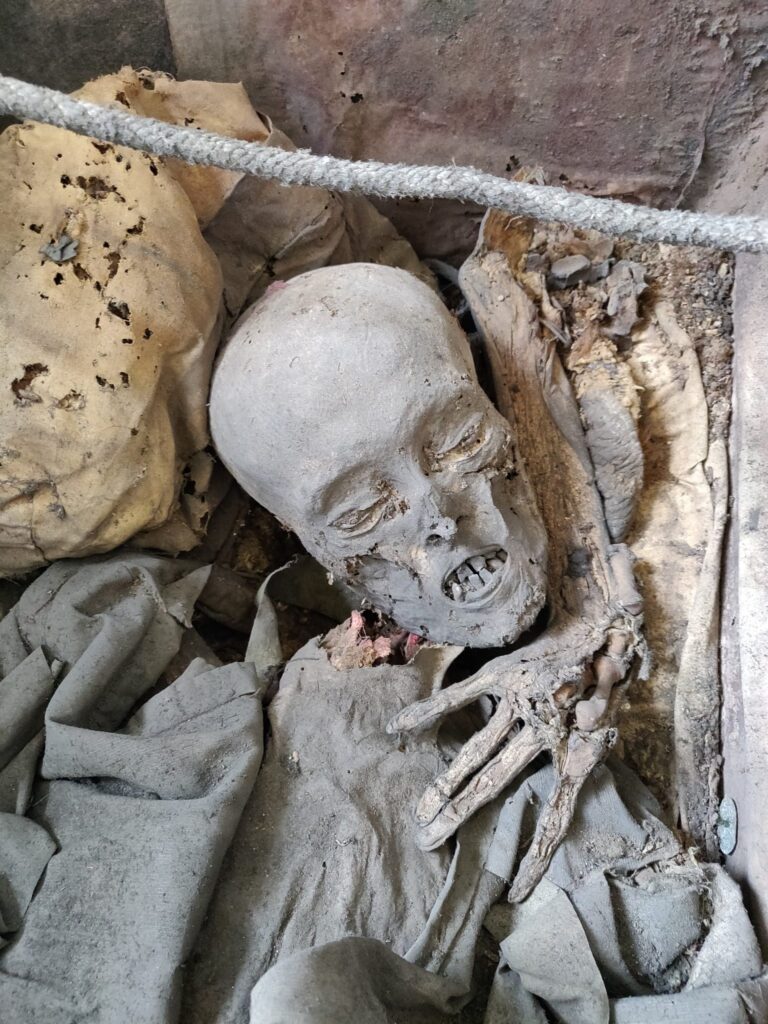
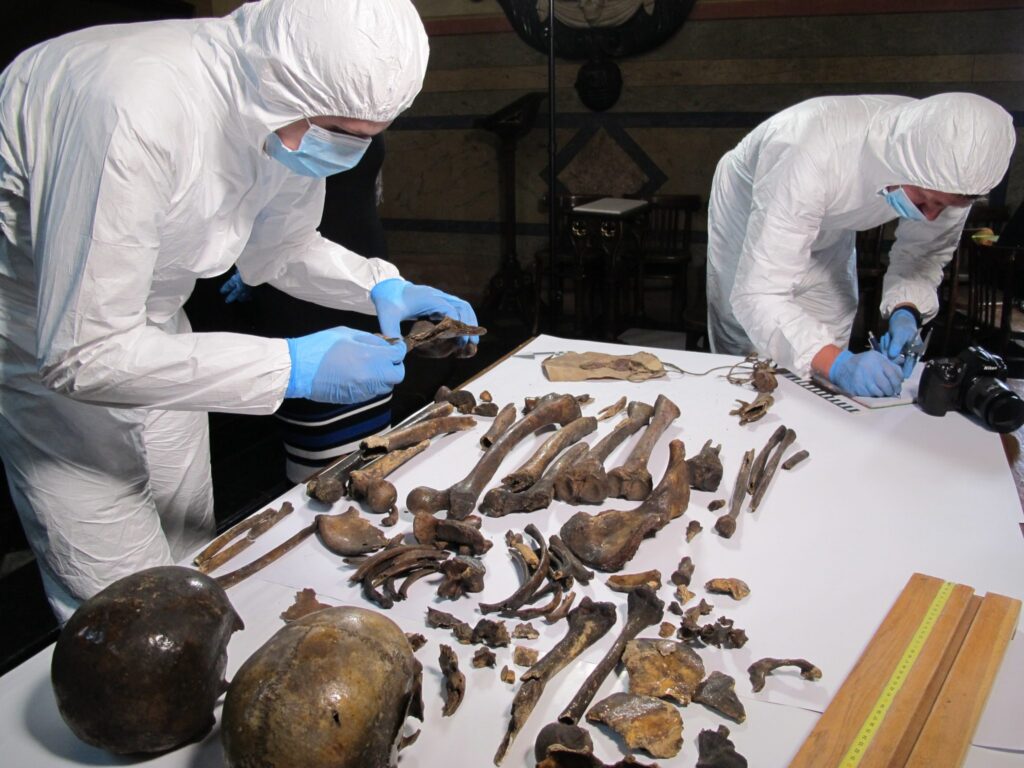
A newly published study presents interdisciplinary research on Piast necropolises scattered throughout Poland. In eight of them, the remains of 33 individuals were found, most likely belonging to members of Poland’s first royal dynasty. Multidirectional archaeogenomic analyses confirmed the identities of ten Piasts. Based on the genomic data obtained for them, maternal lines (mitochondrial haplogroups) were determined, linking the identified Piasts to over 200 historical figures from 10 European royal dynasties. This group includes 108 Piasts, 32 Rurikids, 12 Gediminids, 23 Árpads, 15 Přemyslids, 13 Hohenzollerns, 10 Habsburgs, 8 Wettins, 5 Anjou, and 4 Wittelsbachs.
The paternal lineage (Y-haplogroup) identified among the Piasts (R1b-BY3549) is currently very rare. The same lineage has been found in ancient DNA databases in three individuals from northwestern Europe (present-day France, the Netherlands, and England) who lived during the Piast era or earlier. Taken together, these findings suggest that the Piasts were not of local origin and support the hypothesis that the state-building processes occurring in the 9th–11th centuries in Central and Eastern Europe were driven not only by local elites but also by outsiders.
Link to the publication: https://www.nature.com/articles/s41467-026-71457-1