
Genomics - what is it?
A strategic project aimed at expanding the national infrastructure for genomic research to support science, biotechnology, and medicine.
Knowledge of the genetic variability within a given population is crucial not only for the advancement of science but also for medicine. It is thanks to large-scale genetic research that it is possible to develop innovative therapies, precise diagnostic tests, and targeted preventive measures. Knowledge of a patient’s genetic profile is the foundation of so-called personalized medicine. It enables more effective preventive measures (e.g., through appropriate screening programs, dietary changes, or lifestyle modifications), and in the event of disease onset, it allows for individualized therapy selection and more effective treatment. Genomic testing also translates into measurable economic benefits, as well-targeted prevention, precise diagnostics, and personalized therapy help reduce healthcare costs.
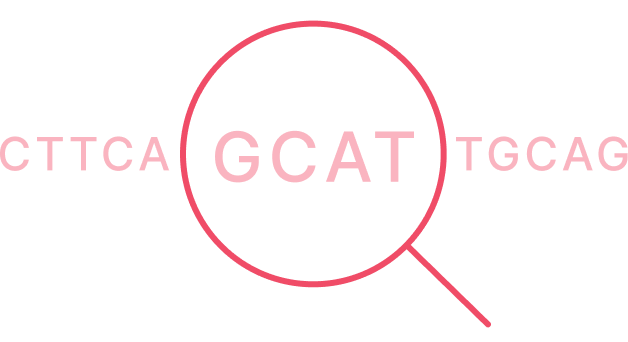
GENE
The basic unit of heredity, in the molecular sense, is a segment of DNA that encodes a molecule - a protein or RNA - which performs specific functions within the cell.
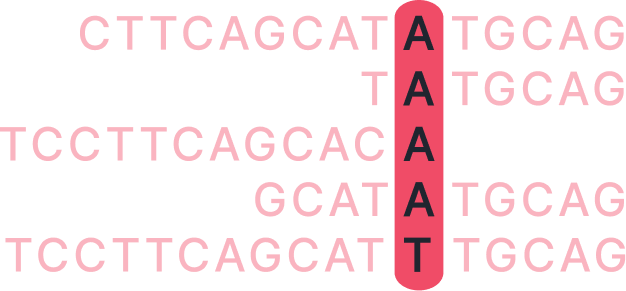
GENOME
The complete genetic information of an organism, encoded in the form of DNA. The human genome is the complete set of DNA found in the cells of the human body.
The genetic information of every living organism on Earth is encoded in DNA, a long molecule composed of repeating chemical units called nucleotides. There are only four different nucleotides in DNA: adenine, cytosine, guanine, and thymine. Simply put, a DNA sequence is nothing more than a string of letters consisting of four different letters (A, C, G, T), which correspond to the four nucleotides found in DNA. The problem is that the DNA strand is very long - in humans, it contains over 3 billion nucleotides, and their order (sequence) is unique to each individual. This sequence is read using special devices called sequencers.
Learn more about DNA sequencing technology:

We discovered the complete sequence of the human genome back in 2003, thanks to the international Human Genome Project (HGP visit the websitewhich lasted 13 years and cost over 3 billion USD. Although more than 20 years have passed since then, the human genome still holds many secrets.
Since we now know the sequences of thousands of individual genomes, our understanding of human genetic variation is constantly growing. We know that the genomes of individual people differ from one another by about 0.15%. We can trace our ancestry back thousands of years. We know the mutations that cause genetic diseases, and we can also determine predispositions to conditions such as cancer. Thanks to genomics, we have the opportunity to improve healthcare. The advancement of genomics also stimulates business and industrial development.
Genomics

Knowledge

Science
new discoveries, research and development, methods and tools

Healthcare
cancer screening, newborn screening, prevention, diagnosis, treatment

Society
ethics, roots, identity

Industry
the growth of the pharmaceutical and biotechnology industries

Finance
market stimulation and business development
Genomic projects around the world
Population-based genomic studies contribute to a deeper understanding of genetic variation, disease prevalence, and predisposition to diseases. They not only enable scientific discoveries but also improve diagnostics, facilitate personalized treatment, and lead to more effective preventive measures. Many countries around the world recognize that genomics is the foundation of modern medicine, both at the level of the individual patient and the entire population. Hence the increase in recent years in national genomic projects and international initiatives, such as the European initiative 1+MG (1+ Million Genomes, visit the websitein which Poland, unfortunately, plays only an observer role. The 1+MG initiative has resulted in three major European projects: Beyond 1 Million Genomes (B1MG,, 2020-2023, visit the website), Genomic Data Infrastructure (GDI, 2022-2026, visit the websiteand Genome of Europe (GoE, 2024-2028, visit the website). Only the last project involves institutions from Poland - the Institute of Bioorganic Chemistry of the Polish Academy of Sciences and the University of Łódź.
Iceland is a global pioneer in genomic research. It was there that a company called deCODE was founded in 1996visit the website), which collected genetic and medical data for approximately 160,000 people, representing more than half of Iceland’s adult population. deCODE also created a genealogical database covering the entire current population and tracing back to the country’s founding, which took place over a thousand years ago. Shortly thereafter, in 2000, the need for investment in population-based genetic research was recognized in Estonia. As a result, Estonia now has a database of approximately 200,000 genotypes of its residents, representing 20% of the country’s adult population.
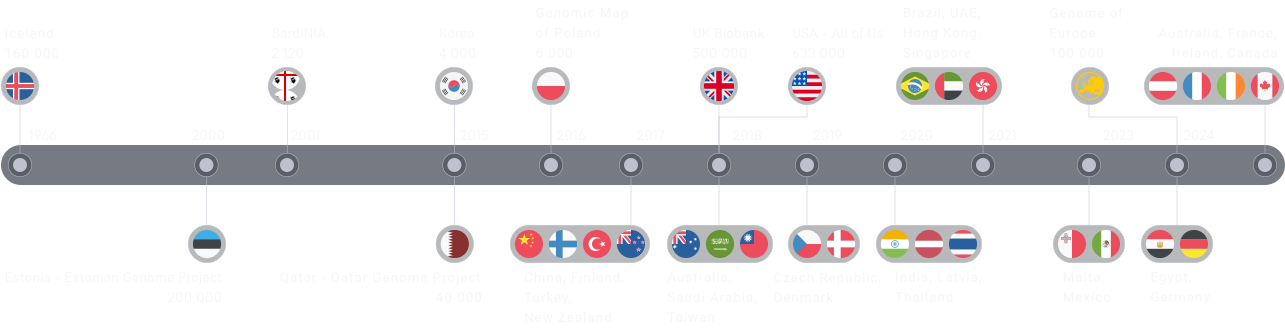
Other large-scale genomic projects, often supported by the government, began to be implemented after 2015. In some countries, these projects were preceded by years of preparation aimed, among other things, at collecting research material and storing it in biobanks. This model was adopted, for example, in the United Kingdom and the United States, where not only substantial funds from the state budget but also capital from private companies were allocated to the development of genomics. As a result, the UK and the US can now boast the largest genomic resources, which together exceed one million whole-genome sequences.
What is the situation like in Poland?
In Poland, genomic research has so far been conducted on a smaller scale and in a scattered manner. The first large-scale project was carried out by the European Center for Bioinformatics and Genomics (a consortium of the Institute of Bioorganic Chemistry of the Polish Academy of Sciences and Poznań University of Technology).
The reference database created as part of this project, called the Genomic Map of Poland, was developed using nearly 6,000 genomes. In the consortium’s next project, ECBiG-MOSAIC (visit the website), carried out in collaboration with the Cardinal Stefan Wyszyński National Institute of Cardiology – State Research Institute in Warsaw (NIKARD PIB) and the Maria Skłodowska-Curie National Institute of Oncology – State Research Institute – Branch in Gliwice (NIO-PIB), approximately 4,000 DNA samples from cardiology and oncology patients were sequenced. To date, a total of approximately 11,000 whole genomes have been collected in Poland.